


Drugs, alcohol ensnare youth
Studies indicate that nearly 60% of Namibian school learners use alcohol and that nearly 50% have dabbled in drugs before the age of 14.
Alcohol “remains the biggest drug problem” overall in Namibia, among adults and youth, followed by dagga, mandrax and crack cocaine abuse, the health ministry has revealed.
With studies indicating that nearly 60% of Namibian school learners use alcohol and that nearly 50% have dabbled in drugs before the age of 14, the health ministry is urging parents and the community to educate themselves on the issues.
The ministry is also urging parents, guardians and the community to forge closer bonds with their children, in an effort to keep or return them to the straight and narrow.
Deputy health minister Juliet Kavetuna, in anticipation of today's International Day Against Drug Abuse and Illicit Trafficking, said local statistics on substance abuse amongst the youth show the country is dealing with an “alarming” problem.
A 2013 study found that 58% of young respondents said they use alcohol, while a subsequent study in 2014 estimated that as many as 80% of 14 and 15-year-old school learners have used alcohol at high rates.
The deputy minister noted a 2015 study found that 40% of the young respondents claimed their parents' drug use caused them harm.
“It is essential that parents, teachers, communities and the youth themselves are educated about the signs and symptoms of substance abuse, so that they can identify the early onset and refer the affected person for help,” Kavetuna said.
She highlighted the devastating ripple impacts of abuse, including increased risk of injury, illness and death and risky sexual behaviour, which in turn “may lead to increased risk of suicidal thoughts, behaviour and psychosocial disorders.”
Drug abuse also impacts on school performance through declining grades, high absenteeism and school dropout rates, and may also fuel involvement in crime.
The large-scale impact of drug and alcohol abuse, not only amongst youth but also adults, was highlighted in a 2015 paper titled 'Drugs and Drug Control in Namibia'.
The paper's authors Lawrence Kazembe and Isak Neema, noted that Namibia “is one of the developing countries in sub-Saharan Africa, specifically in the SADC region, faced with a growing problem of drug abuse and drug trafficking.”
The authors said the increasing issue of abuse and the trafficking of drugs “have very serious implications for the Namibian population because it significantly contributes to social problems such as crime, domestic violence, road accidents, family disintegration, unwanted teenage pregnancies, suicides and health problems such as the spread of HIV/Aids and other sexually transmitted diseases”.
They said further that violent crimes like rape, assault, robbery, murder and “passion killing are examples of crimes that have featured prominently in the Namibian media over the years, and the majority of them have been attributed to the abuse of alcohol and related drug use”.
The paper described Namibia as a “drug transit haven for drugs that are destined for other lucrative markets” in the SADC region, and in Africa in general.
Menacing shebeens
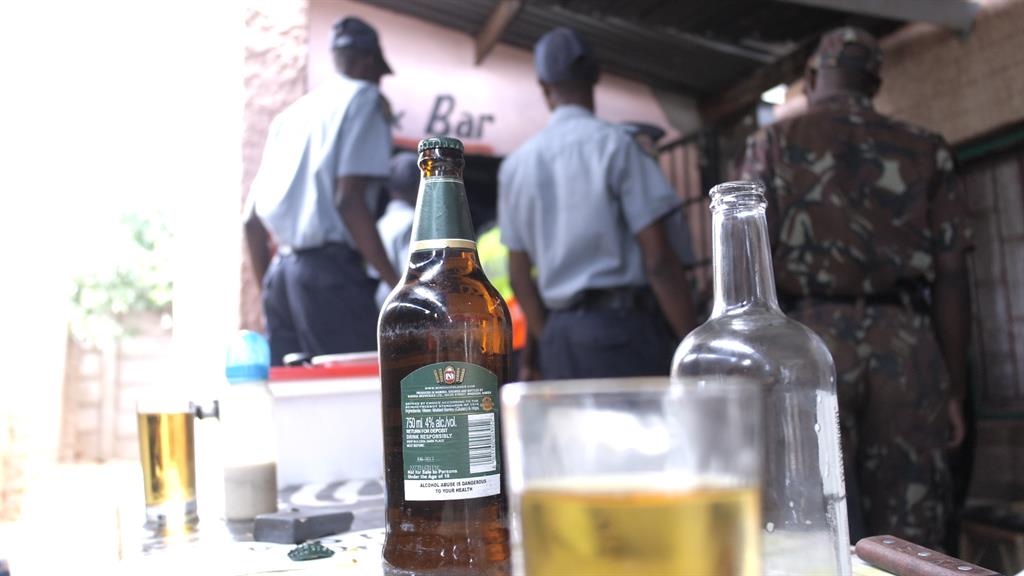
Yesterday, Kavetuna took a strong stance on the issue of “mushrooming shebeens” in Namibia.
“I think as a society we need to wake up. The situation is getting very serious, and as a country we are busy dying out because the most productive citizens of this country are affected by alcohol.”
She took a hard stance against shebeens selling alcohol to minors, as well as parents sending their underage children to shebeens to procure alcohol for them, appealing to Namibians to report such incidents to the authorities so that criminal steps can be taken.
She said many adults spend money on alcohol instead of providing for their families, which impacts the safety and health of children.
“Let's stand up as a community and as a nation, and lets fight the abuse of alcohol in our community and look at ways in which we can stop easy access to alcohol among our young ones.”
Listen
In line with today's global event the ministry has issued 'Listen First' pamphlets, designed to educate and guide health workers, teachers, parents and prevention workers on creating trust and enabling children to reach out for help.
Rene Adams of the ministry's directorate of social welfare services yesterday added the first phase of a children's rehabilitation centre is completed, but will likely only start operations in two years.
Currently the country has one state-run rehabilitation centre outside Windhoek and another private centre.
The state and private sector has a number of ongoing out-patient and other programmes, including aftercare peer-based groups and social workers in all 14 regions, which can assist those in need with individual counselling, family therapy and case management.
Moreover, last year a number of doctors, psychologists and social workers were trained through the Universal Curriculum on Treatment Substance Abuse Disorders, an internationally recognised curriculum.
JANA-MARI SMITH
With studies indicating that nearly 60% of Namibian school learners use alcohol and that nearly 50% have dabbled in drugs before the age of 14, the health ministry is urging parents and the community to educate themselves on the issues.
The ministry is also urging parents, guardians and the community to forge closer bonds with their children, in an effort to keep or return them to the straight and narrow.
Deputy health minister Juliet Kavetuna, in anticipation of today's International Day Against Drug Abuse and Illicit Trafficking, said local statistics on substance abuse amongst the youth show the country is dealing with an “alarming” problem.
A 2013 study found that 58% of young respondents said they use alcohol, while a subsequent study in 2014 estimated that as many as 80% of 14 and 15-year-old school learners have used alcohol at high rates.
The deputy minister noted a 2015 study found that 40% of the young respondents claimed their parents' drug use caused them harm.
“It is essential that parents, teachers, communities and the youth themselves are educated about the signs and symptoms of substance abuse, so that they can identify the early onset and refer the affected person for help,” Kavetuna said.
She highlighted the devastating ripple impacts of abuse, including increased risk of injury, illness and death and risky sexual behaviour, which in turn “may lead to increased risk of suicidal thoughts, behaviour and psychosocial disorders.”
Drug abuse also impacts on school performance through declining grades, high absenteeism and school dropout rates, and may also fuel involvement in crime.
The large-scale impact of drug and alcohol abuse, not only amongst youth but also adults, was highlighted in a 2015 paper titled 'Drugs and Drug Control in Namibia'.
The paper's authors Lawrence Kazembe and Isak Neema, noted that Namibia “is one of the developing countries in sub-Saharan Africa, specifically in the SADC region, faced with a growing problem of drug abuse and drug trafficking.”
The authors said the increasing issue of abuse and the trafficking of drugs “have very serious implications for the Namibian population because it significantly contributes to social problems such as crime, domestic violence, road accidents, family disintegration, unwanted teenage pregnancies, suicides and health problems such as the spread of HIV/Aids and other sexually transmitted diseases”.
They said further that violent crimes like rape, assault, robbery, murder and “passion killing are examples of crimes that have featured prominently in the Namibian media over the years, and the majority of them have been attributed to the abuse of alcohol and related drug use”.
The paper described Namibia as a “drug transit haven for drugs that are destined for other lucrative markets” in the SADC region, and in Africa in general.
Menacing shebeens
Yesterday, Kavetuna took a strong stance on the issue of “mushrooming shebeens” in Namibia.
“I think as a society we need to wake up. The situation is getting very serious, and as a country we are busy dying out because the most productive citizens of this country are affected by alcohol.”
She took a hard stance against shebeens selling alcohol to minors, as well as parents sending their underage children to shebeens to procure alcohol for them, appealing to Namibians to report such incidents to the authorities so that criminal steps can be taken.
She said many adults spend money on alcohol instead of providing for their families, which impacts the safety and health of children.
“Let's stand up as a community and as a nation, and lets fight the abuse of alcohol in our community and look at ways in which we can stop easy access to alcohol among our young ones.”
Listen
In line with today's global event the ministry has issued 'Listen First' pamphlets, designed to educate and guide health workers, teachers, parents and prevention workers on creating trust and enabling children to reach out for help.
Rene Adams of the ministry's directorate of social welfare services yesterday added the first phase of a children's rehabilitation centre is completed, but will likely only start operations in two years.
Currently the country has one state-run rehabilitation centre outside Windhoek and another private centre.
The state and private sector has a number of ongoing out-patient and other programmes, including aftercare peer-based groups and social workers in all 14 regions, which can assist those in need with individual counselling, family therapy and case management.
Moreover, last year a number of doctors, psychologists and social workers were trained through the Universal Curriculum on Treatment Substance Abuse Disorders, an internationally recognised curriculum.
JANA-MARI SMITH

Comments
Namibian Sun
No comments have been left on this article